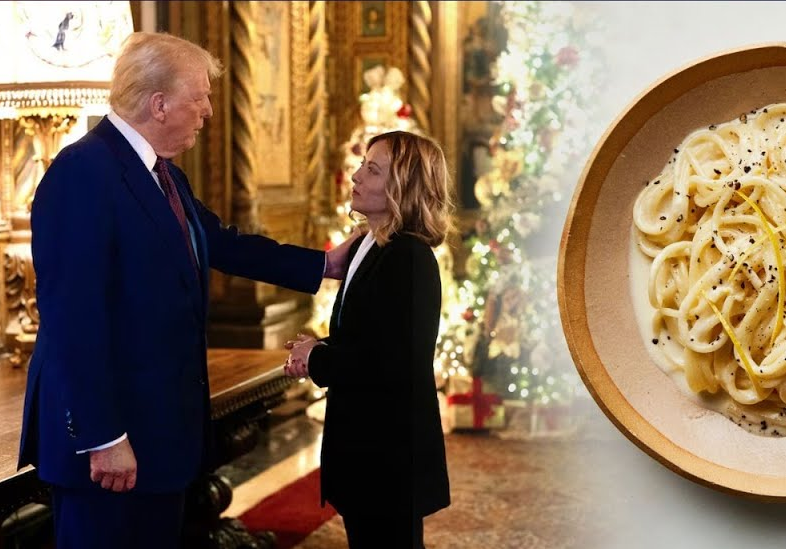
Italian pasta producers say they may be forced to pull their products from the U.S. market after the Trump administration imposed steep new import penalties.
Several of Italy’s largest pasta companies warn they could halt exports to the United States as early as January. The issue is a combined 107% tariff and antidumping duty, which they say makes selling in the U.S. financially impossible. Some companies say the added cost could double the price of their pasta on American shelves.
“It’s one of our most important markets, but no company can survive margins like that,” said Giuseppe Ferro, CEO of La Molisana, a major Italian pasta brand.
Last month, the U.S. Commerce Department issued a 92% antidumping duty on pasta from La Molisana and more than a dozen other Italian manufacturers. The penalty is being added on top of an existing 15% tariff already placed on European imports under Trump’s broader trade policies.
The Commerce Department says the decision follows an investigation into whether Italian pasta was being sold below fair market value to compete with American brands. Italian companies strongly reject that claim and say the probe misrepresents how the industry operates.
If the tariffs remain, companies say they will lose access to one of their biggest international markets — and American shoppers may soon notice fewer choices of authentic Italian pasta.
“It would be devastating to lose the U.S.,” Ferro said. “We’ve invested years and millions of dollars into building trust with American consumers.”
Italy’s government is pushing back. Foreign Minister Antonio Tajani has launched a diplomatic effort to challenge the decision, while European Union trade officials called the tariffs “unacceptable” and warned of potential retaliation.
The U.S. government denies the move is political, saying the penalty resulted from a standard trade review.
Meanwhile, pasta makers warn that if nothing changes, high-end Italian brands may disappear from American grocery aisles just a few months into the new year.